
How St. Louis Weather Is Quietly Destroying Your Roof Right Now
- Home Improvement
Gerardo L. Ramsey
- 0
- 10 minutes read
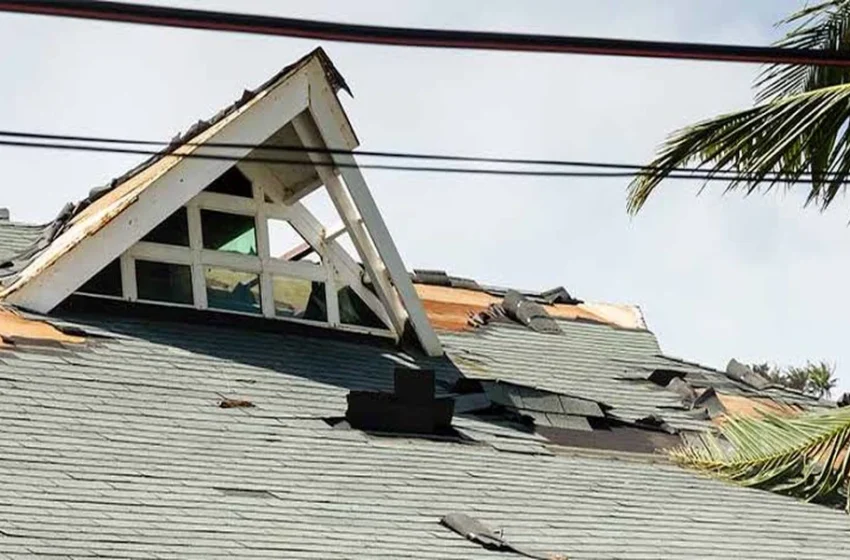
Your roof looked fine after last spring’s storm. No missing shingles visible from the driveway, no water stains on the ceiling. So you moved on. That’s exactly how a $400 repair turns into a $12,000 replacement. St. Louis sits at the geographic intersection of four distinct climate forces, each one capable of cutting years off your roof’s life, and most homeowners don’t connect the dots until a leak shows up in the wrong place at the wrong time.
This article breaks down each threat, tells you what damage to look for, and gives you a clear framework for deciding what to do next.
Missouri’s Storm Record Is Not What You Think
People picture tornado country when they think of Midwest severe weather. Hail is the quieter, more expensive problem. From 1980 through 2024, NOAA’s National Centers for Environmental Information confirmed 120 weather and climate disaster events exceeding $1 billion each that affected Missouri, including 82 severe storm events. The annual average for the most recent five years jumped to 8.2 events per year, compared to 2.7 for the full historical period. That acceleration is real, and St. Louis homeowners feel it directly every spring.
The city sits at the edge of what meteorologists call the “Midwest Hail Belt,” where warm Gulf air collides with cold fronts pushing down from Canada. The result is a storm season that runs from late March through September, with May being especially brutal. If your roof is ten or more years old and you have not had it inspected since a major storm, the odds are not in your favor.
NOAA’s billion-dollar disaster summary for Missouri puts the scale of cumulative storm exposure in clear terms, and the trajectory is moving in the wrong direction for homeowners who treat roofs as “set it and forget it.”
What Hail Actually Does to an Asphalt Shingle
Here’s the thing about hail damage: it often looks like nothing. A hailstone hits your shingle, dislodges a cluster of granules, and leaves a soft bruise in the mat underneath. From the street, your roof looks completely intact. Inside, the shingle’s protective layer is gone, and UV radiation and moisture now attack the exposed asphalt directly. A shingle that should have lasted another decade can fail in two or three years from that point forward.
Granule loss is the first signal. Check your downspout outlets and gutter corners after any significant storm. What looks like coarse sand is actually asphalt granules, and a handful of them after a storm is a clear sign something happened up top. Dented or cracked shingles are visible from close range but rarely from the ground, which is exactly why a professional inspection matters after any storm that included hail larger than a quarter.
National Weather Service St. Louis Lead Meteorologist Mark Britt analyzed all giant hail reports from the NWS St. Louis office between 1955 and 2024, and the data showed stark increases in reports of hail larger than two inches. Thunderstorms bringing hail to Missouri and Illinois are most likely to hit between May and August.
According to the Insurance Information Institute, NOAA’s National Weather Service Storm Prediction Center reported 5,432 hail events across the United States in 2025, up from 5,373 in 2024. The Insurance Information Institute’s hail statistics page tracks annual event counts and insured losses, and the trend lines are not encouraging for Midwest homeowners carrying older roofs.
The St. Louis Roof Threat Matrix
Hail is the loudest threat, but it’s not the only one. I’d argue the freeze-thaw cycle is actually harder to catch early because the damage happens invisibly, over months, and compounds season after season. Here’s a framework for thinking about the four distinct forces working against your roof in this specific climate:
| Threat | Season | Primary Damage | Early Warning Sign |
|---|---|---|---|
| Hail Impact | Spring / Summer | Granule loss, shingle bruising | Sand-like debris in gutters after storms |
| Freeze-Thaw Cycling | Winter / Early Spring | Cracked shingles, flashing gaps | Curling or lifting shingle edges |
| Summer Humidity | June to August | Deck rot, moss and algae growth | Dark streaks or green patches on shingles |
| Wind-Driven Rain | Year-round | Flashing failures, ridge cap loss | Water stains on attic rafters or decking |
Freeze-thaw damage is worth a longer look. St. Louis temperatures swing from single digits in January to the upper 90s in July. Water gets into micro-cracks in your shingles or flashing, freezes and expands, then thaws and contracts. Repeat that cycle forty or fifty times across a winter and you have shingles that look fine from the ground but are cracked, brittle, and no longer shedding water properly.
Picture a Soulard row house that survived a September hailstorm with no obvious damage. By March, the freeze-thaw cycle has opened two small flashing gaps near the chimney. By June, humidity has started rotting the decking beneath. By August, there’s a water stain in the dining room ceiling. The homeowner calls a contractor and discovers the repair that could have cost a few hundred dollars in October now requires decking replacement and interior drywall work. This scenario plays out across St. Louis neighborhoods every single year.
Your Post-Storm Inspection Checklist
You don’t need to get on the roof yourself. Most of the early signals are visible from the ground or accessible from inside your attic. Run through this list within 48 hours of any storm that included hail, winds over 50 mph, or heavy sustained rain.
- Gutters and downspouts: Look for granules collecting at the outlets or in the gutter trough itself.
- Shingle edges and ridge cap: Check for lifted, curling, or missing shingles along the edges and the peak of the roof.
- Flashing points: Inspect around chimneys, vents, skylights, and roof valleys for pulled or bent metal flashing.
- Attic inspection: Go up within a day or two and look for light coming through the decking, new water stains, or any sign of moisture on the insulation.
- Exterior walls below the roofline: Wet or discolored siding near the soffit can indicate water is running behind the fascia.
If you spot two or more of these signs, that’s your cue to call a professional. Catching problems at this stage is the difference between a repair and a full tear-off.
For homeowners navigating this in St. Louis specifically, the National Weather Service St. Louis office documents significant local weather events by date, which is useful context when you’re trying to establish whether your roof damage coincides with a documented storm for insurance purposes.
Repair or Replace? A Framework for Making the Call
The most common question after an inspection is whether to patch or replace. The honest answer depends on two things: your roof’s age and the percentage of its surface that’s compromised. Here’s how I’d think about it.
If your asphalt shingle roof is under 12 years old and the damage is limited to one or two sections, a targeted repair almost always makes sense. Beyond 18 to 20 years, the math shifts. Asphalt shingles degrade across their entire surface as they age, not just where visible damage shows. Patching a 22-year-old roof with new shingles creates color mismatches and still leaves you with aging shingles everywhere else. A full replacement at that point gives you a clean warranty, uniform performance, and better resale value if you plan to sell within five years.
If your damage resulted from a storm, your contractor should document everything photographically before repairs begin. That documentation matters when working with your insurer. Companies providing residential roofing services in St. Louis that are certified by manufacturers like GAF can also offer extended labor warranties, which is something worth asking about specifically when comparing bids.
The Roof Doesn’t Announce When It Fails
That’s the central frustration. A failing roof gives you signals for months or years before it actually lets water in. The granules in your gutters, the dark streak on the north slope, the slight curl on the shingles near the ridge, these are the early chapters of a story that ends with a very expensive repair if you don’t act on them. St. Louis weather will keep doing its job. The question is whether you’re paying attention before the ceiling does.
Schedule a professional inspection this fall before the freeze-thaw cycle begins again. It takes less than an hour, and it’s the most cost-effective thing you can do for a house that almost certainly has a roof older than a decade.
