
How Innovative Design Shapes Modern Food Processing Facilities
- Business
Lola C. Barbera
- 0
- 7 minutes read
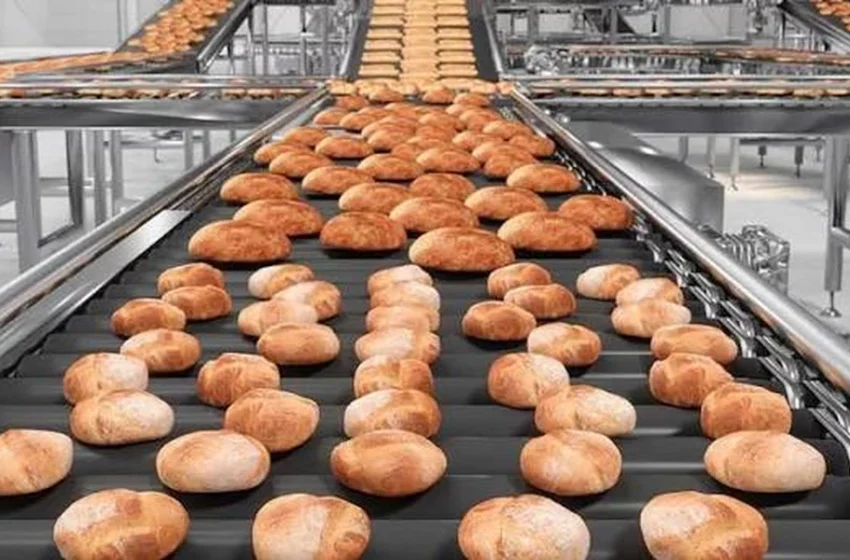
Forget the vision of cold, boxy warehouses. Modern food processing plants are spaces where innovation and aesthetics collide, driving efficiency, safety, and sustainability. The most forward-thinking facilities are not just places where food is made; they are carefully orchestrated environments where architecture influences everything from workflow to employee wellbeing.
Myth 1: Food Processing Facilities Are Just Functional, Not Designed
Picture endless rows of metal and concrete, with beauty nowhere in sight. This stereotype has lingered for decades, but today’s leading architects have erased it. Functional needs and design ambition no longer sit on opposite sides of the table.
Why Aesthetic and Functional Design Must Coexist
When layout and lighting improve productivity, and natural light lifts morale, “design” is not an afterthought. It’s a force multiplier. Food processing plants, especially those expecting frequent client or regulatory visits, benefit from considered public spaces and façade treatments. The right design not only supports logistics and workflow but also communicates a company’s values and brand.
Case Study: Canada Bread Québec – Merging Efficiency with Modern Architecture
Take Canada Bread Québec. Far from an industrial shed, the facility integrates daylighting, clean sightlines, and spatial organization that streamlines everything from raw ingredient arrival to the finished product leaving the dock. This fusion of efficiency and modern architecture sets a new standard.
Myth 2: Innovative Design Is Too Costly for Food Processing Plants
The myth that creativity blows the budget is persistent, but it’s short-sighted. Upfront investments in design pay dividends in efficiency, maintenance savings, and energy use.
Long-Term Savings Through Smart Design Choices
Well-planned facilities cost less to operate. Strategic workflow optimization reduces labor hours and mistakes. Robust materials and thoughtful layouts lower repair and cleaning costs. Over the lifespan of the plant, these savings can dwarf any initial extra investment.
Energy Efficiency and Sustainable Materials Pay Off
Energy-efficient systems, high-performing insulation, and use of sustainable materials can significantly cut utility bills. While the initial spend may be higher, the long-term return is clear. Modern designs for food processing plants increasingly prioritize LEED certification and low-carbon impact, aligning financial and environmental priorities.
Myth 3: Food Safety and Innovative Design Are at Odds
Some believe that stringent food safety requirements stifle architectural creativity. In reality, innovation often enhances safety.
Integrating Hygiene Standards into Cutting-Edge Facility Layouts
The best facilities are designed from the ground up with hygiene in mind. Smooth, easy-to-clean surfaces, well-choreographed flows that separate raw and finished products, and advanced air handling systems are all results of innovative thinking.
Examples from Cargill Case Ready Meat Facility
At the Cargill Case Ready Meat facility, designers worked hand-in-hand with food safety experts. The result is a layout that minimizes cross-contamination, allows for rapid cleaning, and supports rigorous quality control, all without sacrificing operational efficiency or visual appeal.
Myth 4: Automation Limits Architectural Creativity
With robotics and automated lines on the rise, does architecture become purely functional? Hardly.
Designing Spaces That Adapt to Advanced Technologies
The best designs are flexible, anticipating future upgrades and tech integration. By creating spaces with adaptable infrastructure, facilities can evolve as automation changes. Ceiling heights, floor loads, and utility access are carefully planned to support not just today’s needs, but tomorrow’s innovations.
How Flexible Layouts Enhance Productivity and Innovation
Open spans, moveable partitions, and modular utilities make it possible to reconfigure spaces without major renovations. When new automation comes online, these features let facilities adjust rapidly, keeping productivity high and downtime low.
Myth 5: Food Processing Plants Are Environmentally Negligible
Industrial buildings have a huge environmental footprint, but food processing facilities are now leaders in sustainability.
Incorporating Green Building Practices in Industrial Food Facilities
From rainwater harvesting to energy-efficient HVAC and solar-ready roofs, the industry now embraces green building strategies as essential. Waste management, natural lighting, and material reuse further reduce environmental impact.
The Role of Stendel + Reich Architecture in Sustainable Plant Design
Firms like Stendel + Reich food processing architects have pioneered solutions that make plants greener and more cost-effective. Their portfolio showcases how thoughtful architecture can reduce energy consumption, minimize water waste, and create healthier workspaces.
Myth 6: Design Innovation Is Only About the Building Exterior
Think innovation only shows up in the façade? The real magic often happens on the inside.
Interior Design Innovations Impacting Workflow and Employee Wellbeing
Efficient circulation routes, flexible work zones, ergonomic break areas, and improved acoustics all add up to a better daily experience for staff. Smart use of color, daylight, and noise control reduces fatigue and stress.
Highlight: Maple Leaf Winnipeg’s Interior Functional Innovations
Maple Leaf Winnipeg, for example, incorporates these principles with intuitive layouts and employee-centric amenities. The plant demonstrates how smart interiors boost both productivity and retention.
Myth 7: One-Size-Fits-All Design Works for Food Processing
No two food processing plants are the same, and neither are their designs.
Tailoring Design to Specific Food Types and Processing Needs
Designing for bakery production is nothing like planning a meat processing facility. Each requires its own approach to hygiene, refrigeration, traffic flow, and even air quality.
Diverse Examples: From Élevages Périgord to TAS Facilities
Élevages Périgord specializes in specialty meats, while TAS facilities handle a wider variety of products. Their architectural needs are as distinct as their outputs, reinforcing that custom solutions yield the best results.
The Future of Food Processing Facility Design
Innovation is far from finished. The next decade will bring new challenges, and opportunities.
Emerging Trends and Technologies to Watch
Expect to see more integration of AI-driven workflow optimization, advanced robotics, renewable energy sources, and even biophilic design elements that bring nature indoors. These trends are not just futuristic, they are entering the mainstream now.
How Architecture Firms Like Stendel + Reich Are Leading the Way
Firms at the forefront are blending creativity, science, and sustainability to shape the next generation of food facilities. Their work sets the standard for what the industry can expect: spaces that are flexible, efficient, and a joy to work in. With every new project, they prove that innovative design is not optional, it’s transformative.
