
How do THCP vape pens shape user expectations?
- Tech
Clare Louise
- 0
- 4 minutes read
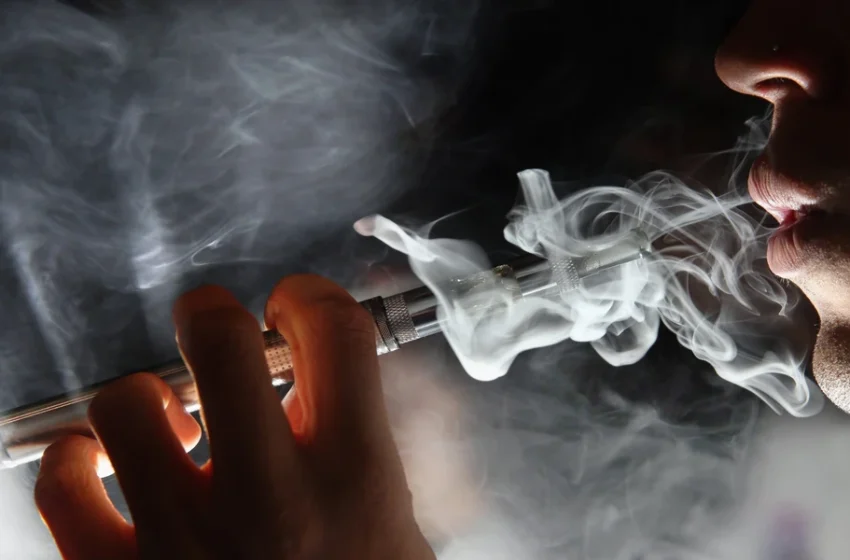
Expectations do not form from information. They form from repeated direct experience, producing consistent enough results that the pattern becomes the anticipated norm. THCP vape pens shape expectations through exactly that mechanism, delivering a consistent experiential pattern across early draws that the pattern itself becomes the reference point carried into everything encountered afterwards.
THCP vape pens shape expectations differently from oral cannabinoid formats because inhalation produces faster, more immediately readable feedback per use. Every draw produces a result within minutes, and that result either confirms or adjusts the expectation formed by the previous draw. That tight feedback loop is the core mechanism through which expectations form and solidify across early use.
Onset expectation method
Inhalation produces feedback fast enough for the connection between action and result to register clearly. A draw produces a noticeable effect within minutes. That timing gets filed as the expected timeline. The next draw either confirms it or triggers a small adjustment. Across several encounters, a stable onset reference forms not from reading about the format but from the repeated experience of the same timing pattern delivering the same result.
Three ways that onset reference then shapes behaviour in the future:
- Oral formats feel slow, not because they are performing incorrectly, but because the inhalation-formed timeline has become the personal standard against which all onset timing gets evaluated.
- Dosing decisions in other formats get made too early because the inhalation-formed reference triggers an assessment before the slower format has finished delivering its result.
- Any format producing an onset faster than anticipated gets evaluated positively on timing alone, regardless of other characteristics, because a fast onset matches the established reference.
Potency calibration process
Each draw produces a result that either matches the developing reference or shifts it slightly. Across enough draws, a stable potency reference forms around what a specific count from a specific device reliably produces. That calibration runs across repeated use rather than forming from a single encounter.
Four stages describe how that calibration mechanism operates:
- Early draws produce variable results as the person adjusts count and technique until a consistent result emerges from a consistent approach.
- Once consistency appears, the count producing it becomes the established baseline applied automatically in subsequent encounters without deliberate recalculation.
- Any change in batch, coil condition, or temperature setting disrupts the established baseline, triggering a recalibration process that mirrors the original formation mechanism on a compressed timeline.
- Potency references formed through THCP use are then applied as comparison standards when other cannabinoid formats are encountered, frequently placing those formats below the established reference regardless of their own characteristics.
Hardware anchors delivery
Consistent device behaviour is how a vape pen trains delivery references over time. Every draw from the same device under the same conditions produces comparable vapour volume, temperature, and resistance. That consistency allows the device to function as a reliable calibration tool across repeated use rather than introducing variability that would prevent a stable reference from forming at all.
When device variables shift through battery depletion, coil wear, or replacement, the delivery reference no longer matches what the hardware-trained model produces under new conditions. The reference persists while the device has changed, creating a mismatch experienced as product inconsistency rather than recognised as a change in the delivery mechanism that formed the reference in the first place.
Each mechanism operates through direct experience rather than prior knowledge, which is why references formed through early use persist and transfer into how other cannabinoid formats get evaluated long afterwards.
