
How Produce Packaging Bags Help Extend Shelf Life
- Food
Brenda A. Hayden
- 0
- 4 minutes read
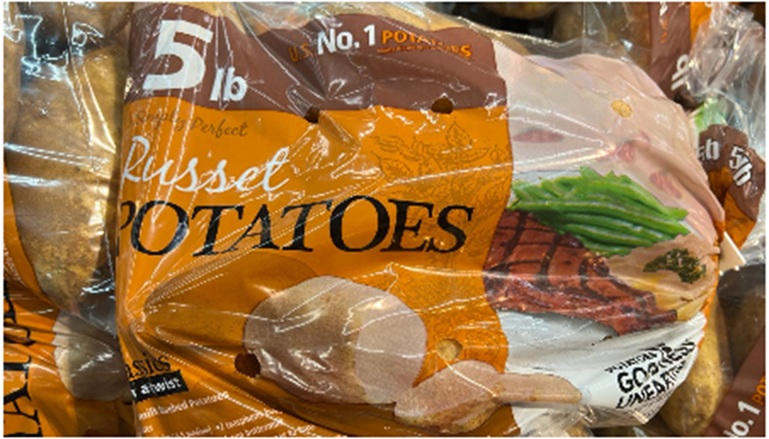
When it comes to fresh fruits and vegetables, maintaining shelf life is a constant challenge. From the time produce is harvested to when it reaches the consumer’s table, many factors can affect its freshness. One of the most overlooked—but crucial—components in preserving produce is the packaging. Specifically, the use of produce packaging bags has become an effective solution for extending shelf life while reducing waste.
Modern packaging innovations are designed not only to protect food but also to create the right environment for it to stay fresh longer. Whether you’re a grower, distributor, retailer, or food service provider, choosing the right produce packaging bag can directly impact your product quality and customer satisfaction.
To learn more about packaging and its applications.
1. Minimizing Moisture Loss and Dehydration
Fresh fruits and vegetables are mostly water, and when exposed to air without proper packaging, they lose moisture quickly. This dehydration leads to shrinkage, softness, and visual deterioration. Produce packaging bags—especially those made of breathable films or mesh—help reduce moisture loss while allowing just enough airflow to prevent condensation and mold growth.
This balance is critical in keeping produce like lettuce, herbs, cucumbers, and berries in prime condition during transport and on the shelf.
2. Slowing Down Respiration Rates
After harvesting, fruits and vegetables continue to “breathe” through a natural process called respiration. This process breaks down sugars and produces carbon dioxide and water, which can accelerate spoilage. The best packaging bags regulate gas exchange, slowing down respiration and delaying ripening or decay.
Some high-tech produce packaging bags are designed with modified atmosphere properties that maintain optimal oxygen and carbon dioxide levels inside the bag. These features are especially useful for extending the shelf life of highly perishable items like spinach, mushrooms, or strawberries.
3. Protecting Against Physical Damage
Packaging isn’t only about maintaining freshness—it also prevents bruising, crushing, and other physical damage during handling and transportation. Produce packaging bags provide a cushioning layer and help keep items contained, separated, and secure.
Delicate items like peaches, tomatoes, and leafy greens are particularly vulnerable, and well-designed bags can reduce product loss and ensure they arrive in top condition.
4. Preserving Visual Appeal and Hygiene
Consumers are more likely to purchase produce that looks clean, fresh, and well-packaged. Packaging bags protect items from dirt, debris, and contamination. They also help maintain a polished, organized appearance on store shelves or at farmer’s markets.
Clear produce bags or those with transparent windows also let customers see what they’re buying without handling the product, which helps maintain hygiene and reduce spoilage from excess touching.
Final Thoughts
Produce packaging bags are an essential tool in extending the shelf life of fresh fruits and vegetables. From managing moisture and gas exchange to preventing damage and contamination, the right bag makes all the difference.
For growers and retailers alike, investing in quality packaging is a simple way to reduce food waste, preserve product quality, and boost customer satisfaction. When freshness matters, the right packaging bag can mean longer life—and fewer losses.
