
How to read a THCA flower lab report?
- Business
Clare Louise
- 0
- 4 minutes read
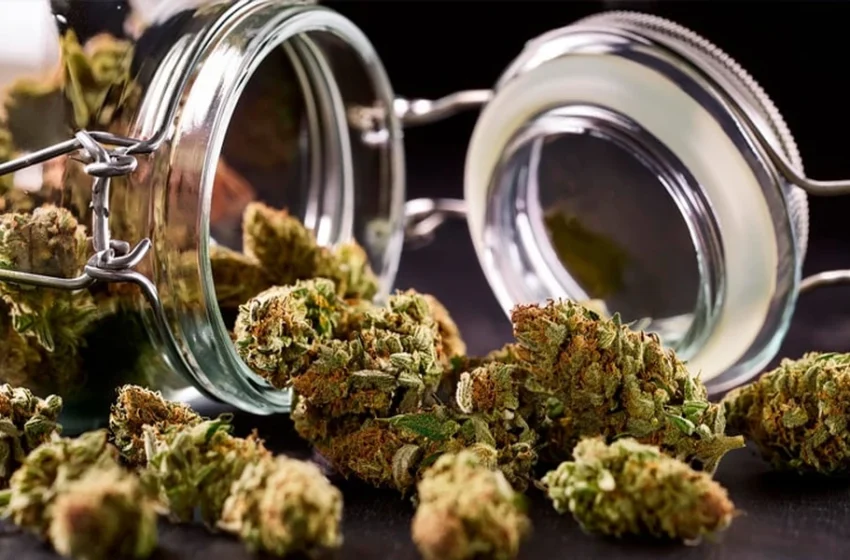
Reading a best THCA flower by OutSFL lab report or any THCA flower laboratory document accurately requires locating the batch number, interpreting potency panel figures, reviewing contaminant screening results, and confirming laboratory accreditation status before using the document to verify product quality. Each section of the report provides specific information addressing a distinct aspect of the flower’s cannabinoid composition, safety profile, and legal compliance status under federal hemp regulations. Buyers who understand how to navigate each section make purchase decisions based on independently verified data rather than supplier summaries that may omit or misrepresent individual panel results from the laboratory.
1. Batch number at header
The batch number appears at the top of the laboratory report alongside the sample identification details submitted by the producer at the time of testing by the accredited facility. This number must match the batch number printed on the product packaging or listed by the supplier in the product description to confirm the report applies to the specific inventory available for purchase at that point. A mismatch between the report batch number and the product batch number indicates the document covers a different production lot, providing no valid quality or compliance assurance for the flower being offered to the buyer in that specific transaction, regardless of how recent the testing date appears on the document header.
2. Two critical figures
The potency panel lists individual cannabinoid concentrations measured in the sample, expressed as percentages of total dry weight for each compound detected above the laboratory reporting threshold during the analysis. THCA and delta-9 THC are the two most critical figures – THCA indicates the primary cannabinoid concentration present in the flower, while delta-9 THC confirms whether the product falls within the 0.3 percent federal compliance threshold required for legal hemp classification and interstate distribution. Additional cannabinoids, including CBD, CBG, and CBN, appear below these primary figures and contribute to the total cannabinoid weight reported at the base of the potency panel section on the certificate of analysis provided by the laboratory.
3. Pass or fail results
The contaminant panel presents screening results for pesticides, heavy metals, residual solvents, and microbial organisms tested within the same batch sample submitted alongside the potency panel to the laboratory for analysis. Each contaminant category displays individual compound results with a pass or fail designation based on action limits established by the testing laboratory in compliance with applicable regulatory standards for hemp products distributed through retail and direct-to-consumer channels.
4. Accreditation number check
Laboratory accreditation status confirms the testing facility operates under an independently verified quality management system recognised by a national or state-level accreditation body with authority over hemp testing laboratories in the applicable jurisdiction. An accredited laboratory displays its accreditation number, issuing body, and scope of accreditation on the report header or footer alongside laboratory contact details and the authorised signatory information for the analyst responsible for the results generated.
Reading a THCA flower lab report across batch number, potency panel, contaminant screening, and accreditation confirmation gives buyers complete, independently verified quality and compliance information before any purchase commitment is made. Each section addresses a distinct dimension of product quality that no other documentation source confirms with equivalent reliability or legal standing in any post-purchase dispute.
