
Signs You Should Schedule an Appointment with an Eye Specialist in Hawaii
- Health
Clare Louise
- 0
- 4 minutes read
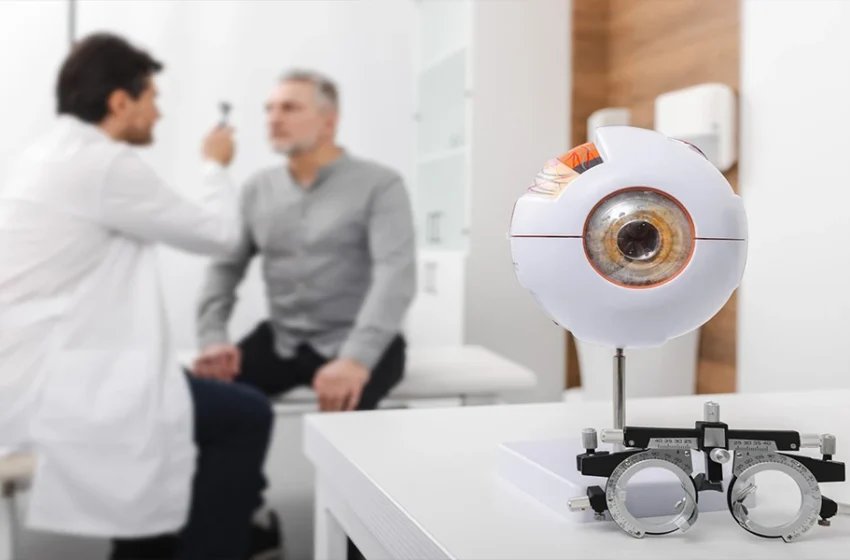
Clear vision plays a major role in daily life across Hawaii, where bright sunlight and active routines place constant demand on the eyes. Small changes in sight can appear gradually, yet still affect visual acuity, comfort, and focus throughout the day. Paying attention to early shifts helps maintain better ocular stability and confidence in routine activities. This article highlights key signs that suggest when professional eye care may be needed.
Sudden Shifts in Visual Sharpness
Unexpected changes in visual clarity can make everyday tasks feel less precise, especially under strong sunlight in Hawaii. Objects may appear slightly blurred due to refractive fluctuations or unstable focus. Reading signs, recognizing faces, or doing detail work may become more difficult.
These changes can occur intermittently and may delay attention. Recurring symptoms should not be ignored as they may indicate underlying ocular function changes. Early assessment helps maintain stable vision and supports accurate evaluation when you choose to contact a Hawaii eye specialist today.
Increased Strain During Daily Tasks in Hawaii
Tired eyes after normal activities may indicate excessive accommodative effort during focusing. This strain can occur during reading, screen use, or exposure to bright light. Daily tasks may feel more demanding as the ciliary muscles work harder to maintain clarity.
Concentration can be reduced, and visual comfort may drop even without long effort. A heavy sensation around the eyes may develop after short focus periods. Difficulty switching between near and distant focus can also increase discomfort.
Difficulty Adjusting to Light Changes
Moving between bright outdoor spaces and dim indoor areas in Hawaii should feel smooth due to proper pupillary response and retinal adaptation. When this adjustment slows, it can affect comfort and spatial awareness. Lights may seem too intense or too dim during transitions, creating a temporary visual imbalance. This can make daily movement between environments feel slightly disorienting.
Such patterns may become more noticeable during evening travel or indoor-to-outdoor transitions. Over time, visual adaptation may feel less efficient. This delay in adaptation may suggest stress in the visual processing system. Recognizing this pattern early helps maintain safety and ease in both photopic and scotopic conditions.
Head Pressure Linked to Visual Focus
Persistent head pressure during tasks that require concentration can indicate visual-ocular imbalance. This may appear when reading documents, working on digital displays, or focusing on near-point tasks. The pressure may gradually build due to sustained accommodative demand.
It can also reduce comfort during prolonged visual engagement. Daily tasks may feel more tiring than expected. Recognizing this link between focused effort and discomfort helps support timely professional attention. Such symptoms should be assessed early so underlying refractive error or binocular vision issues can be properly evaluated and managed.
Noticeable Changes in Comfort and Sensitivity
Changes in comfort levels, such as irritation or frequent rubbing, can signal shifts in ocular surface stability. Eyes may feel more sensitive in windy or high-glare environments, especially during outdoor activities common in Hawaii. This sensitivity can affect tear film stability and overall visual comfort.
People may notice a need for more frequent blinking or temporary relief. These changes can gradually influence daily visual ease and endurance. Paying attention to them helps maintain steady ocular comfort. Paying attention to these comfort changes helps maintain steady vision and supports overall ease throughout the day.
Healthy vision supports strong visual acuity, comfort, and stability in Hawaii’s bright environment. Recognizing early signs such as refractive changes, accommodative fatigue, or ocular surface sensitivity helps maintain long-term visual performance. Choosing the right clinic and experienced specialist ensures accurate diagnosis and appropriate care for ongoing eye health. Timely attention makes a meaningful difference, so it is wise to contact a Hawaii eye specialist today for professional evaluation. Consistent care helps support long-term ocular comfort and dependable vision in daily life.
