
Balancing Aesthetics and Durability in Custom Indoor and Outdoor Signs
- Lifestyle
Dennis Humphries
- 0
- 6 minutes read
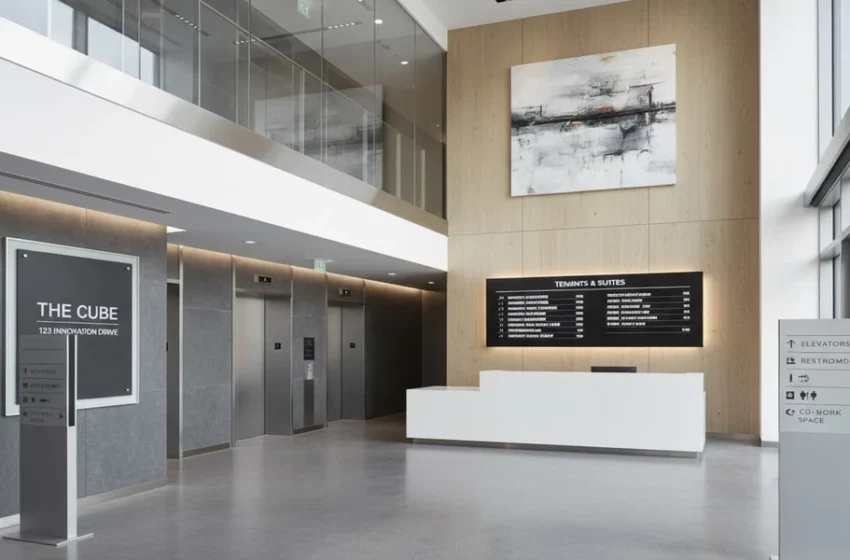
The first impression of a business often comes from its signage. A beautiful sign can tell your story in a single glance, but what happens when time and weather begin to dull its shine? The challenge for organizations lies in striking the perfect balance between aesthetic appeal and long-term durability, ensuring your sign is not only seen, but remembered for all the right reasons.
The Art and Science of Custom Signage
A sign is more than words or symbols; it is a physical extension of your brand. Whether installed above a bustling sidewalk or greeting visitors in a quiet lobby, custom signage must stand up to its environment without losing its visual identity.
Why Balancing Aesthetics and Durability Matters
A sign that fades, cracks, or rusts too soon not only looks unsightly, but can also damage the credibility of your brand. On the other hand, a sign that is tough but lacks visual impact may be ignored altogether. Achieving the right combination of beauty and resilience is essential for making a lasting impression.
Differing Requirements for Indoor vs. Outdoor Signs
Indoor signage faces fewer environmental stressors, but must blend seamlessly with architecture and interior design. Outdoor signage, in contrast, has to withstand pollution, precipitation, sunlight, and temperature swings. Each location presents unique challenges for material selection, design, and installation.
Material Selection: The Foundation of Longevity and Appeal
The choice of material sets the tone for both style and lifespan. For custom projects, nothing is left to chance.
Metals: Aluminum, Stainless Steel, Bronze, and Their Characteristics
Metals such as aluminum and stainless steel offer standout durability with a modern edge. Bronze and brass add warmth and prestige, often used for plaques or heritage buildings. Aluminum stands out for its corrosion resistance and lightweight profile, making it ideal for outdoor logos. Stainless steel, with its bold, reflective finish, is popular for contemporary branding. Each metal responds differently to weather and wear, so the selection must account for location and desired look.
Acrylics and Vinyl: Versatility and Color Options
Acrylic and vinyl are the go-to choices for vibrant, flexible signage. Acrylic offers a glass-like appearance without the fragility, perfect for illuminated signs or intricate indoor logos. Vinyl excels wherever detailed graphics or bright colors are needed, especially in temporary or frequently updated displays. Both materials adapt well to color matching, allowing seamless integration with any brand palette.
Sustainable Material Choices and Environmental Impact
Responsible signage providers are shifting toward sustainable, recycled metals and low-impact manufacturing. Not only does this reduce waste, it signals a brand’s values to environmentally conscious customers. For example, using lead-free metals and reclaiming solvent waste are now standard practices among leaders in the industry.
Design Considerations Tailored to Environment and Brand
Every space tells a story, and signage should amplify, not compete with, the narrative.
Matching Design to Architectural Style and Space Proportions
A sign should fit its setting as naturally as a signature fits a page. Designers assess the dimensions, materials, and lighting of a space before recommending shapes, sizes, and placements that enhance the environment.
Color Theory and Finish Options to Enhance Visibility and Brand Identity
High-contrast color schemes boost visibility from a distance, while metallic finishes catch the light and communicate sophistication. Matte versus glossy finishes can alter both perception and legibility, particularly under changing lighting conditions.
Size Matters: Visibility Versus Space Constraints
A sign that is too large can overwhelm a subtle space, while something too small may go unnoticed. The optimal size balances legibility with aesthetics, tailored to both the viewing distance and architectural constraints.
Case Study: Transforming a Montreal Office with Custom Indoor Signage
A Montreal-based company wanted to refresh its brand presence in a high-traffic lobby. The challenge was to reflect modern professionalism while surviving the daily wear of a bustling office environment.
Material selection gravitated toward brushed aluminum for its understated shine and resilience. The design used floating letters, lending depth without clutter. Installation was completed over a weekend, minimizing disruption. After several months, employees and visitors reported a stronger brand connection, and the sign’s finish looked as crisp as day one.
Case Study: Creating Weather-Proof Outdoor Signage for a Retail Storefront
For a boutique retailer exposed to unpredictable Montreal weather, durability was non-negotiable. The team evaluated stainless steel for its anti-corrosion properties and added a UV-protective clear coat to prevent fading. Anchoring the sign to a brick facade required custom mounting hardware, guaranteeing stability through freeze-thaw cycles. Regular cleaning every few months kept pollution at bay, preserving both the finish and the message.
Installation Insights: Ensuring Stability and Aesthetic Integrity
Mounting a sign on wood, brick, concrete, or glass each brings technical hurdles. Brick and concrete demand specialty anchors, while glass may require adhesive solutions to avoid drilling. Professional installation is worth the investment for complex or large signs, but smaller indoor pieces can often be installed with template guides and clear instructions.
Maintaining Your Custom Signage: Protecting Your Investment
Routine cleaning, especially for outdoor signs, prevents buildup of grime and air pollution that can erode finishes. Periodic inspections can catch issues like peeling vinyl or loose mounts before they become hazards. When signs show significant fading or mechanical damage, restoration or replacement is the logical next step.
Guarantee and Support: Partnering with Trusted Signage Providers
The value of a warranty should not be underestimated. Reliable partners offer lifetime coverage against defects and will restore or replace signs that fail to meet expectations. Personalized service, such as that offered through Orthografica high-end business signage, ensures every project is tailored to unique needs and supported over time.
Balancing aesthetics and durability in signage is both a creative and technical pursuit. With thoughtful material selection, skilled design, and expert installation, your signage will not only turn heads, but stand tall for years to come.
