
How St. Louis Property Owners Avoid the Second Disaster After an Emergency
- Home Improvement
Brenda A. Hayden
- 0
- 9 minutes read
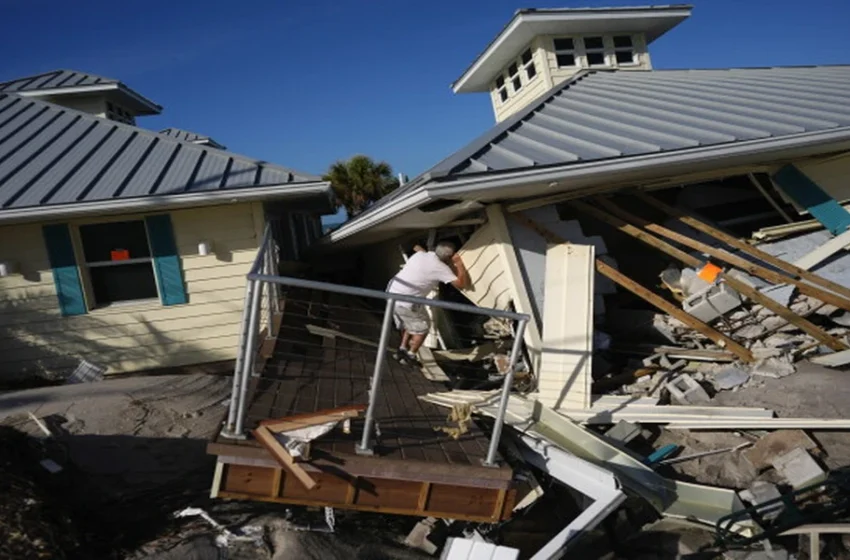
Your window is gone and the rain is coming in sideways. That is not the disaster. The disaster is the thirty six hours that follow, when water, wind, and opportunity keep working on your house while you sit on hold with your insurer.
Here is the promise of this piece: by the end, you will know the exact sequence to run after a break-in, storm, or fire, so that the first hit stays the first hit. We are going to cover the hourly clock, the sealing method that actually holds up in a St. Louis summer storm, what your claim needs from you, and the mistakes I see owners make almost every single time.
Most of those mistakes happen because people treat boarding up as a handyman errand. It isn’t. When you call residential board up services in St. Louis MO, you are buying protection from water intrusion and theft at the exact moment your house is most exposed, and the quality of that protection decides how much of your home survives intact.
The only clock that matters: your first 24 hours
Think of the aftermath in three layers. Layer one is the breach itself, the missing glass or torn shingles. Layer two is what gets in through the breach. Layer three is what happens to the structure once layer two sits there for a few days. Owners almost always fix layer one and forget layer two.
So run the clock this way. Hour zero to two: photograph everything before you touch it, and get the breach covered. Hour two to twelve: pull wet rugs and furniture out of the splash zone, and document again after the covering is in place. Day one to three: get a mitigation or restoration assessment scheduled, because wet drywall and framing do not announce themselves. They just quietly stop being load bearing.
You are not being paranoid here. You are sequencing. Insurance and repair decisions get easier when the building has stopped getting worse.
What actually holds a broken window until repairs begin
I have pulled down enough botched jobs to have a firm opinion: a sheet of plywood screwed through a single edge is not protection. It is decoration that will peel off in the first gust.
What works is unglamorous. Exterior grade sheathing cut to overlap the opening by several inches on each side. Fasteners driven into framing, not into the window trim or siding. A brace behind the panel on larger openings. Plywood clips and exterior screws at intervals tight enough that the panel acts as one stiff unit rather than a flapping sheet.
Weather exposure is the piece owners underrate. According to baseline storm guidance from the National Weather Service, severe storms routinely carry damaging wind and heavy rain, and an opening that faces the prevailing wind will take water even under a covered porch. The seasonal storms that roll through the region bring both, often back to back, so a panel that fails in the first squall has effectively done nothing.
If the damage extends past the glass, walls get involved. A cracked or bowed exterior wall needs temporary stabilization, not just sheathing. Same with roof damage, where a tarp laid flat and weighted at the edges will pond water and add weight you don’t want overhead. Tarps need a slope and real anchoring or they become a liability.
Your claim needs three things from you
Insurance adjusters are not being difficult when they ask for more photos. They are pricing risk, and they need to see the condition of the property at the moment of loss.
Before any covering goes up, get wide shots of each affected area, close shots of the breach, and a shot that ties the damage to a recognizable part of the property. Then get photos after the covering is installed. That pair of images proves the loss and proves the mitigation, which is exactly the record a claim needs.
Keep every receipt for materials and labor related to preventing further damage. Most policies treat that spending differently than permanent repair, and the difference matters. The Washington State Office of the Insurance Commissioner publishes plain language consumer guidance on claims and documentation that translates well to any state, and the core lesson holds everywhere: the better your records, the faster the money moves.
One more thing. Ask your board up crew whether they will coordinate with your adjuster directly. A company that does this regularly knows what adjusters want to see, and that saves you a week of back and forth.
The three mistakes I would fix first
Mistake one: waiting for the adjuster before sealing. The claim does not require an inspection first. It requires documentation first. Seal, then photograph, then call.
Mistake two: paying a deposit to a truck that showed up unsolicited. In St. Louis, after a bad storm, vehicles with out of state plates start working the neighborhoods. Ask for a local address, a license, and proof of insurance. Then check them.
Mistake three: finishing the job by closing the box. Once work starts, owners stop documenting. Keep a running folder, digital or paper, of dates, names, and what was done. Future you will thank present you.
The Board Up Sequence is the framework I would frame on your wall. Secure the opening. Stabilize the structure. Document both. Coordinate with the claim. In that order, every time, no exceptions.
A scenario that happens more than you’d think
A break-in at a corner home in South City during a stretch of hot, dry weeks. Front door frame splintered, door hanging open. No storm damage, so the owner didn’t think about weather. Then an afternoon thunderstorm dumped water straight into the entry hallway, and the hardwood cupped before anyone returned. The repair bill for the door frame was small. The bill for the floor was not.
The fix would have taken twenty minutes of boarding. Twenty minutes against a floor replacement. That is the gap between the first disaster and the second one, and it is almost always measured in hours rather than dollars.
Structural failures follow similar logic. The National Institute of Standards and Technology publishes well documented investigations of building failures that show how exposures and load changes compound over time, and the pattern is consistent: small unprotected openings accelerate damage across the structure. You don’t need the engineering depth. You do need the instinct that a building under stress gets steadily worse until it is protected.
How to choose the company you call at 2 a.m.
Anyone can say they offer emergency service. Here is your gut check list before you hand over a job at a vulnerable moment.
- Do they answer live, tonight, with a person who can dispatch?
- Are they licensed and insured in your state, and can they produce it immediately?
- Will they quote before starting, in writing, including after hours rates?
- Do they offer stabilization and roof tarping, or only boarding windows?
- Will they photograph the work and share the images for your claim?
That last one is my personal filter. A crew that documents its own work tends to stand behind it.
Close the loop before the next storm
You know the clock now. You know the sealing method, the documentation habit, and the choice you need to make at 2 a.m. The first disaster might not be in your control. The second one almost always is.
Do one thing today while it’s sunny and quiet. Save the number of a locally based board up crew in your phone, put a small stash of photos of every room in a cloud folder, and read your policy’s section on preventing further damage. Then, the next time your phone rings with bad news about your house, you already have a plan.
What is the first thing you would do if a window broke tonight?
